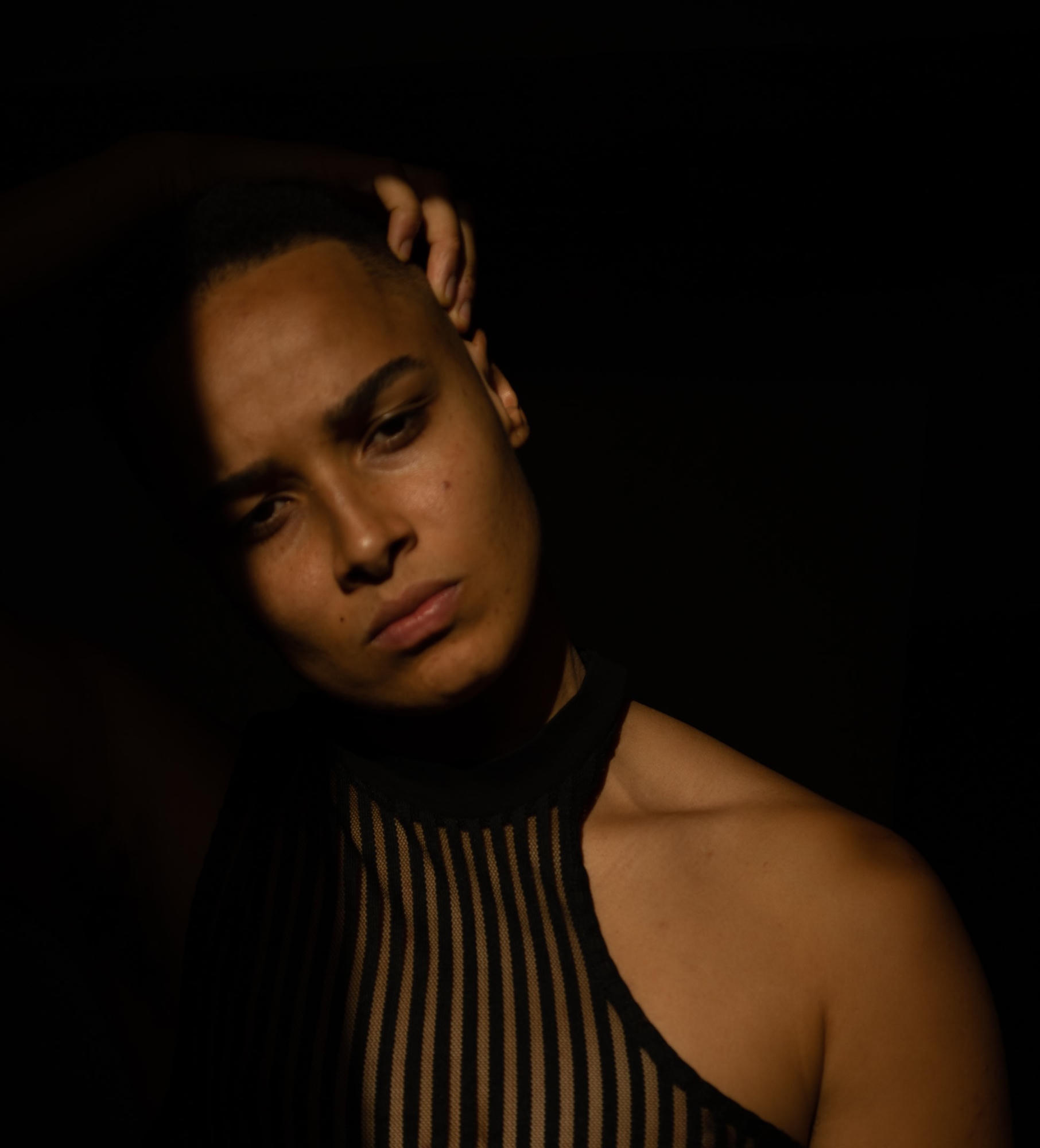
About the Founder
Balla-Gabriele (they/them), founder of Equipped & Resourced, brings a founder-led vision rooted in French-Caribbean heritage, Black feminist organizing, survivor-centered practice, and community accountability. Based in Tongva Land and raised between France and Waitukubuli (Dominica), they draw on political education and embodied learning traditions to help communities and institutions build shared language for harm response, repair, and collective care.
Their background spans facilitation, curriculum design, mixed-method research, storytelling, and organizational learning, with work carried across the United States, Europe, and the Caribbean. Over the last decade of Black feminist and queer grassroots organizing, they have developed learning experiences that translate complex social commitments into practical skills teams can apply in real relationships, programs, and institutional settings.
Through Equipped & Resourced, this practice now supports institutions and communities in building practical capacity before moments of crisis through practice-based learning, healing-centered facilitation, and collective preparedness. Partners engage this work to strengthen readiness, deepen accountability, and navigate conflict with care, courage, and shared responsibility.